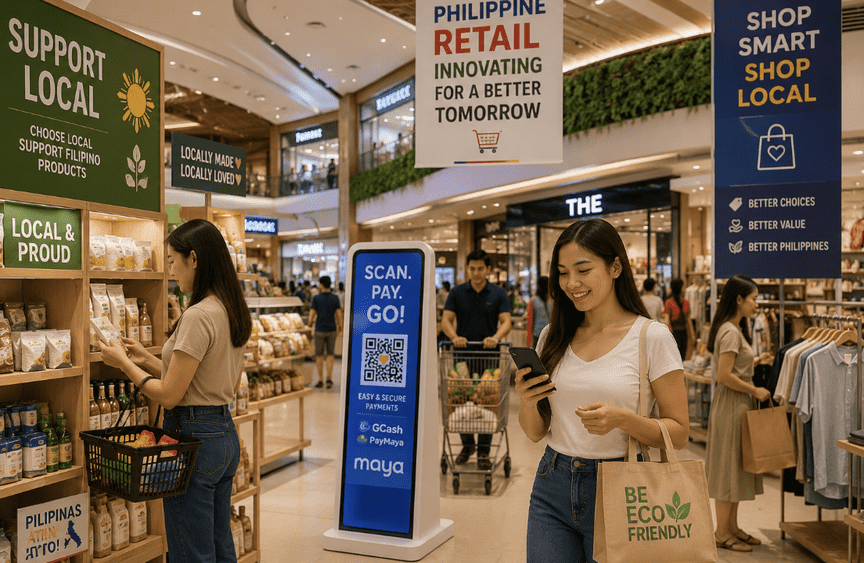
The Philippine retail industry continues to evolve as consumers embrace digital convenience, value-driven shopping, and sustainable products. From supermarkets and convenience stores to fashion and home improvement retailers, brands are finding new ways to meet the changing needs of Filipino shoppers.
As inflation, technology, and lifestyle preferences reshape buying habits, retailers that prioritize customer experience and innovation are gaining a competitive edge. Here are some of the biggest trends influencing Filipino retail brands in 2026.
Digital Shopping Continues to Grow
More Filipinos are choosing to shop online before visiting physical stores. Many retail brands now offer mobile apps, click-and-collect services, digital payment options, and same-day delivery to make shopping faster and more convenient.
Retailers are also using loyalty apps and personalized promotions to encourage repeat purchases and improve customer satisfaction.
Value for Money Remains a Priority
Consumers are becoming more mindful of their spending. Discounts, bundle offers, rewards programs, and private-label products continue to attract shoppers looking to stretch their budgets without sacrificing quality.
Retail brands that provide affordable pricing while maintaining product quality are seeing stronger customer loyalty.
Local Brands Gain More Support
Many Filipino consumers are choosing locally made products to support homegrown businesses. Retailers are expanding their shelves to feature locally produced food, fashion, beauty products, and handcrafted goods.
This trend not only supports small businesses but also strengthens the local economy.
Sustainability Shapes Consumer Choices
Environmental awareness is becoming more important in purchasing decisions. Many retailers now encourage reusable shopping bags, reduce plastic packaging, and introduce eco-friendly product lines.
Brands that demonstrate environmental responsibility are increasingly earning consumer trust.
Technology Improves the Shopping Experience
Artificial intelligence, self-checkout kiosks, QR code payments, and digital inventory systems are helping retailers improve efficiency while making shopping more convenient.
Technology also allows brands to better understand customer preferences and deliver more personalized shopping experiences.
Physical Stores Still Matter
Although e-commerce continues to grow, physical stores remain an essential part of the customer journey. Many shoppers still prefer to see products firsthand before making a purchase.
Retailers are redesigning stores to create more engaging experiences, combining digital technology with in-store convenience.
Customer Experience Is the New Competitive Advantage
Today’s consumers expect more than quality products. Friendly service, fast transactions, easy returns, and responsive customer support all influence purchasing decisions.
Brands that consistently provide excellent customer experiences are more likely to earn repeat customers and positive recommendations.
What This Means for Filipino Consumers
The changing retail landscape offers consumers more choices than ever before. Whether shopping online or in-store, Filipinos benefit from greater convenience, improved services, competitive pricing, and access to innovative products.
At the same time, consumers play an important role by supporting responsible businesses that prioritize quality, sustainability, and ethical practices.
Final Thoughts
The Philippine retail industry is becoming more dynamic as brands adapt to changing consumer expectations. Companies that embrace digital innovation, sustainability, affordability, and excellent customer service are setting the pace for the future of retail. As shopping habits continue to evolve, Filipino consumers can expect better experiences and more value from the brands they trust.