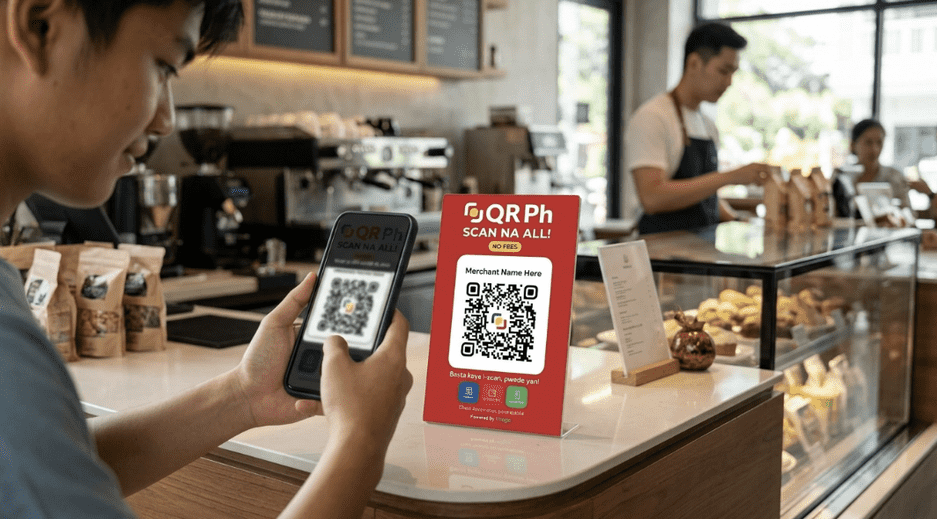
Paying for groceries with a quick QR scan, settling a restaurant bill through an e-wallet, or buying everyday essentials without reaching for cash has become increasingly common among Filipinos. What was once considered a convenience is now changing how businesses operate, manage sales, and serve customers.
According to the figures provided in industry reports, digital payments accounted for 64.7% of retail transactions in the Philippines in 2025, bringing the country within the Bangko Sentral ng Pilipinas’ (BSP) target of 60% to 70% by 2028.
For retailers, this shift means more than simply displaying a QR code at the counter. Digital payments are becoming an essential part of running a competitive business.
The Numbers Behind the Cashless Shift
The Philippines has long been considered a cash-first economy, but consumer habits are changing rapidly. Digital payments accounted for just 10% of retail transactions in 2018, increasing to 30.3% in 2021, 57.4% in 2024, and 64.7% in 2025.
The growing availability of mobile wallets, online banking, and QR payments has made cashless transactions more accessible. Visa’s Consumer Payment Attitudes Study also reported that cash usage declined from 96% in 2022 to 87% in 2023, with 43% of consumers saying they carried less cash.
These figures reflect a growing preference for convenience. Whether paying utility bills, ordering food, or shopping at the supermarket, consumers increasingly expect businesses to offer payment options beyond physical money.
QRPh and Mobile Wallets Are Driving Adoption
One of the biggest factors behind this transformation is QR Ph, the national QR code standard promoted by the BSP. Its interoperability allows customers to pay participating merchants through supported banking apps and e-wallets without requiring everyone to use the same platform.
This makes digital payments more practical, especially for small businesses that cannot afford complicated payment systems.
Cashless transactions are also expanding beyond shopping malls. Supermarkets, restaurants, convenience stores, and even neighborhood sari-sari stores and public markets are increasingly adopting digital payment options. Initiatives such as Paleng-QR Ph help bring these services closer to ordinary Filipinos.
The result is a payment system that fits into everyday life. Buying vegetables at the palengke or paying for a quick meal can now be as simple as scanning a code and confirming the transaction.
Why Retailers Should Embrace Digital Payments
For business owners, accepting digital payments can improve operations while giving customers more flexibility.
Faster checkout. Digital transactions reduce the need to count bills and provide change, helping keep queues moving when payment systems are reliable.
Better security and recordkeeping. Electronic records make sales easier to track and reconcile while reducing cash-handling risks. However, retailers must remain alert to scams and fraudulent transactions.
Flexible payment options. Digital wallets and eligible Buy Now, Pay Later services give customers more ways to pay and may encourage higher-value purchases.
Smarter business decisions. Digital sales records help retailers track popular products, manage inventory, and use loyalty programs to encourage repeat purchases.
In a competitive retail environment, these advantages can make a meaningful difference in both customer experience and daily operations.
The Challenges of Going Cashless
Despite its benefits, digital payment adoption is not equally accessible to everyone. Some Filipinos lack bank accounts, smartphones, reliable internet access, or the digital skills needed to use financial applications confidently. For many communities, cash remains the simplest and most dependable option.
Technical problems are another concern. Power interruptions, weak mobile signals, and payment platform outages can disrupt transactions and delay sales. Retailers should maintain backup procedures and consider keeping cash available when digital systems fail.
Fees also matter, particularly for small businesses operating on tight margins. Transaction charges, cash-in fees, and transfer costs can reduce the benefits of going digital if merchants and consumers are not careful about choosing their services.
A successful transition therefore requires more than technology. Payment systems must be affordable, secure, and accessible, with enough flexibility to accommodate people who still depend on cash.
The Future of Philippine Retail
As digital payment platforms such as GCash and Maya continue to grow, accepting cashless transactions is becoming an important part of staying competitive in Philippine retail. Businesses can start with simple tools like QR Ph payments, while larger retailers can integrate digital systems into inventory management, accounting, and customer loyalty programs.
Ultimately, the future of retail is digital-first, not necessarily cash-free. While digital payments offer convenience, better recordkeeping, and improved efficiency, cash remains essential for communities with limited access to financial technology. Retailers that succeed will be those that embrace innovation while keeping payments secure, accessible, and convenient for every customer.